NAPVID will contribute its disability-rights expertise to a multi-state gender justice initiative while receiving targeted organisational-strengthening support.
BENIN CITY, EDO STATE | October 2026
The Network for the Advancement of People with Visible Disabilities (NAPVID) is set to contribute its experience in disability rights, inclusive governance and advocacy to the AMANI Consortium under the Strengthening Locally Led Gender Justice Movements in Africa (2026–2029) programme. Following a pre-assessment visit by Sonke Gender Justice and a subsequent organisational capacity assessment, NAPVID has been recommended to join the Nigerian consortium as an implementing partner, alongside the selected consortium lead, the Initiative for Gender Equality and Sexual Reproductive Health (IGE-SRH).
The development creates an opportunity for NAPVID to strengthen its contribution to gender justice initiatives, particularly in advancing the sexual and reproductive health and rights (SRHR) of women and girls with disabilities, addressing gender-based violence (GBV), and promoting more inclusive justice and protection services.
Under this arrangement, NAPVID will receive a sub-grant and targeted organisational-strengthening support to address capacity gaps identified during the assessment, while contributing its disability-rights expertise to AMANI’s broader coalition and advocacy work across six states.
Sonke Gender Justice Engages NAPVID on Organisational Capacity
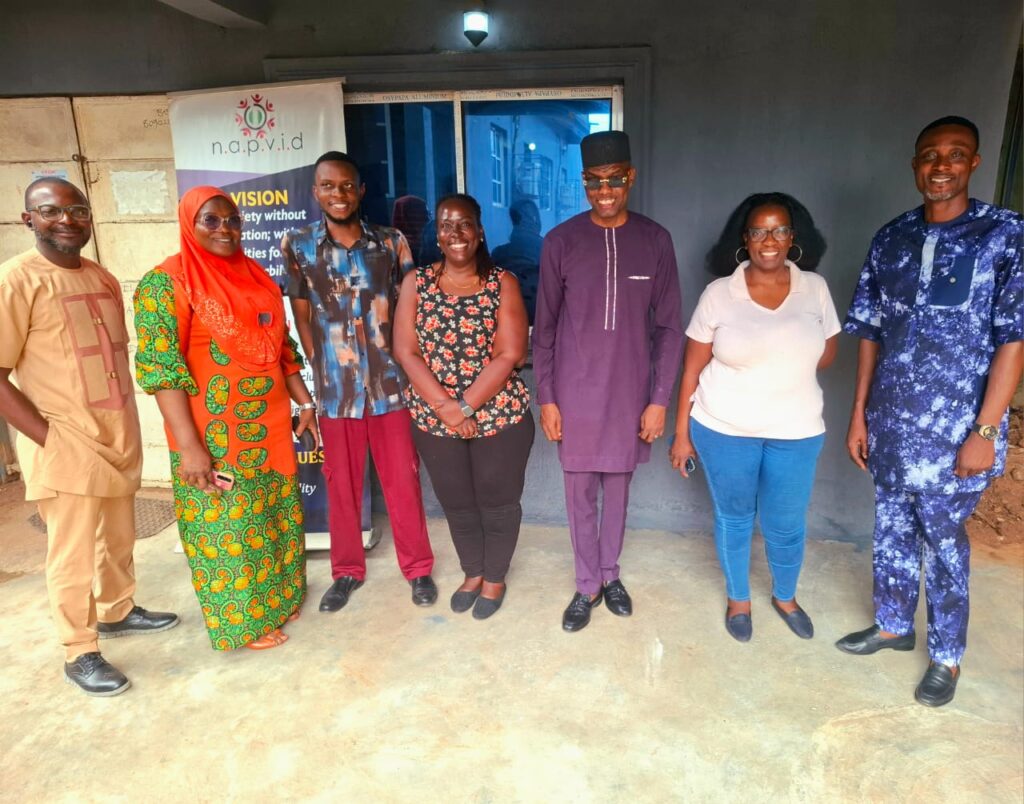
On 21 August 2026, Sonke Gender Justice representatives, Mabel SN and Blessing Katsande, visited the NAPVID Secretariat in Benin City, Edo State, for a pre-assessment meeting. The engagement provided an opportunity for both organisations to discuss their respective mandates, examine NAPVID’s institutional capacity and explore its potential contribution to the gender justice programme.
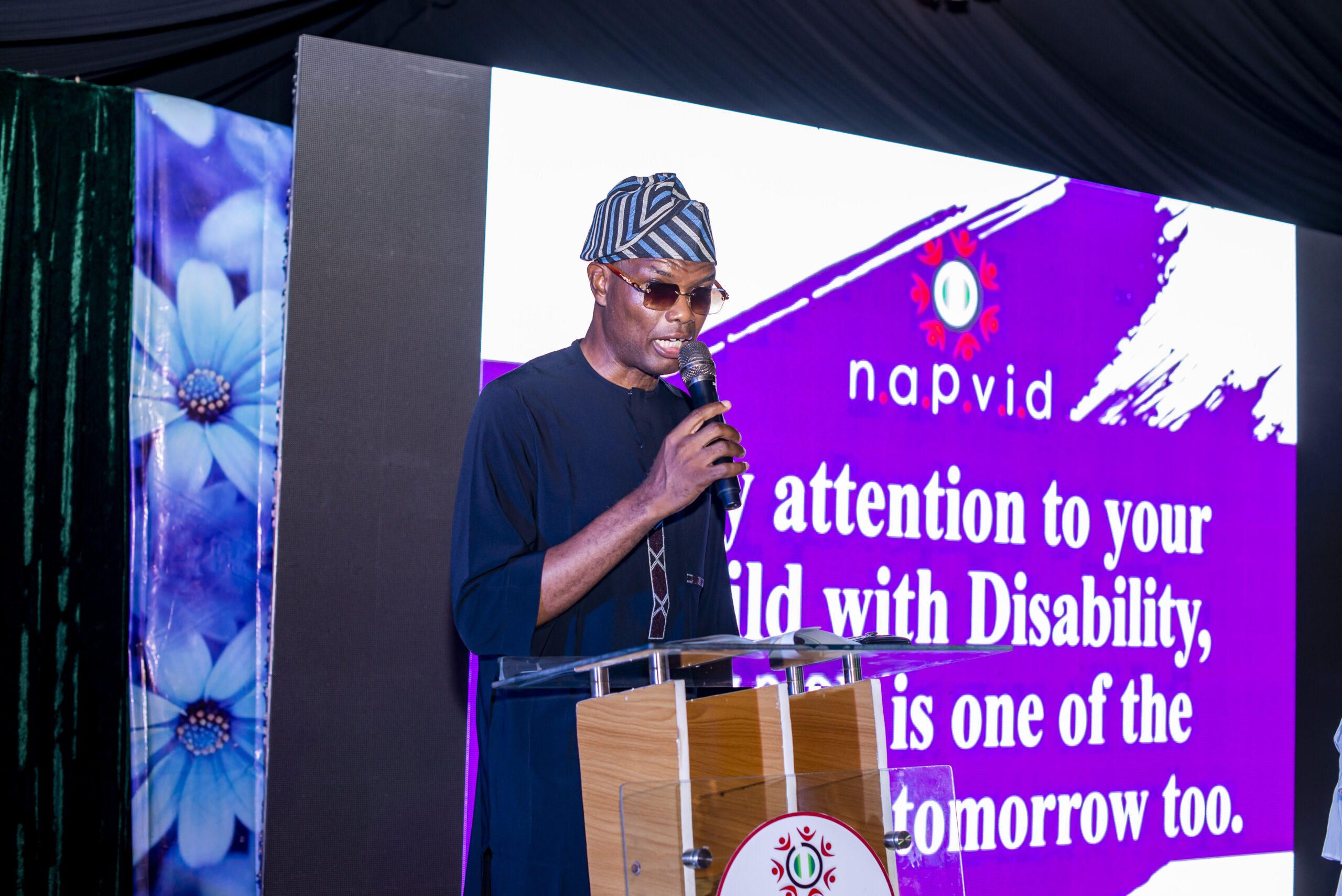
During the meeting, NAPVID’s Executive Director, Mr. Melody Omosah, Esq., presented the organisation’s vision, mission and work to advance the rights, inclusion and reproductive health of persons with disabilities. NAPVID’s programme and organisational experience was further presented by Mr. Isaac Noble, who explained how the organisation’s advocacy experience and networks could contribute to the proposed programme.
Representing Sonke Gender Justice, Mabel SN explained that the organisation works through partnerships with humanitarian and human-rights organisations to advance gender justice. She also outlined the objectives of the 2026–2029 programme, which seeks to support locally led gender justice movements across seven countries.
The engagement emphasised the importance of working with organisations that have the potential to grow, strengthen their systems and make meaningful contributions to gender justice.
A Track Record in Disability Rights and Public Policy Advocacy
A central part of NAPVID’s presentation was its record of disability-rights advocacy and its contribution to reforms intended to improve the inclusion of persons with disabilities in public life.
Among the initiatives highlighted were:
Advocacy for disability rights and legislation: NAPVID’s longstanding engagement in disability-rights advocacy includes its role in advancing the Edo State Persons with Disability Law. This work reflects the organisation’s commitment to strengthening the recognition and protection of the rights of persons with disabilities.
Accessibility research and inclusive public institutions: NAPVID presented its Accessibility and Inclusivity Research of the Edo State Civil and Public Service. The research contributed to an Edo State Government circular directing ministries, departments and agencies (MDAs) to conduct accessibility self-assessments and make provisions for inclusive budgeting.
Public awareness and media engagement: Through its six-month media campaign following the removal of the fuel subsidy, NAPVID drew attention to the effects of the policy on persons with disabilities. The organisation also highlighted Hitches and Voices, its disability-focused television and radio programme with a reach across 13 states and cable networks.
Inclusive education: NAPVID highlighted its role in developing a 10-year Inclusive Education Roadmap for Edo State in 2022, supporting efforts to advance access to education for learners with disabilities.
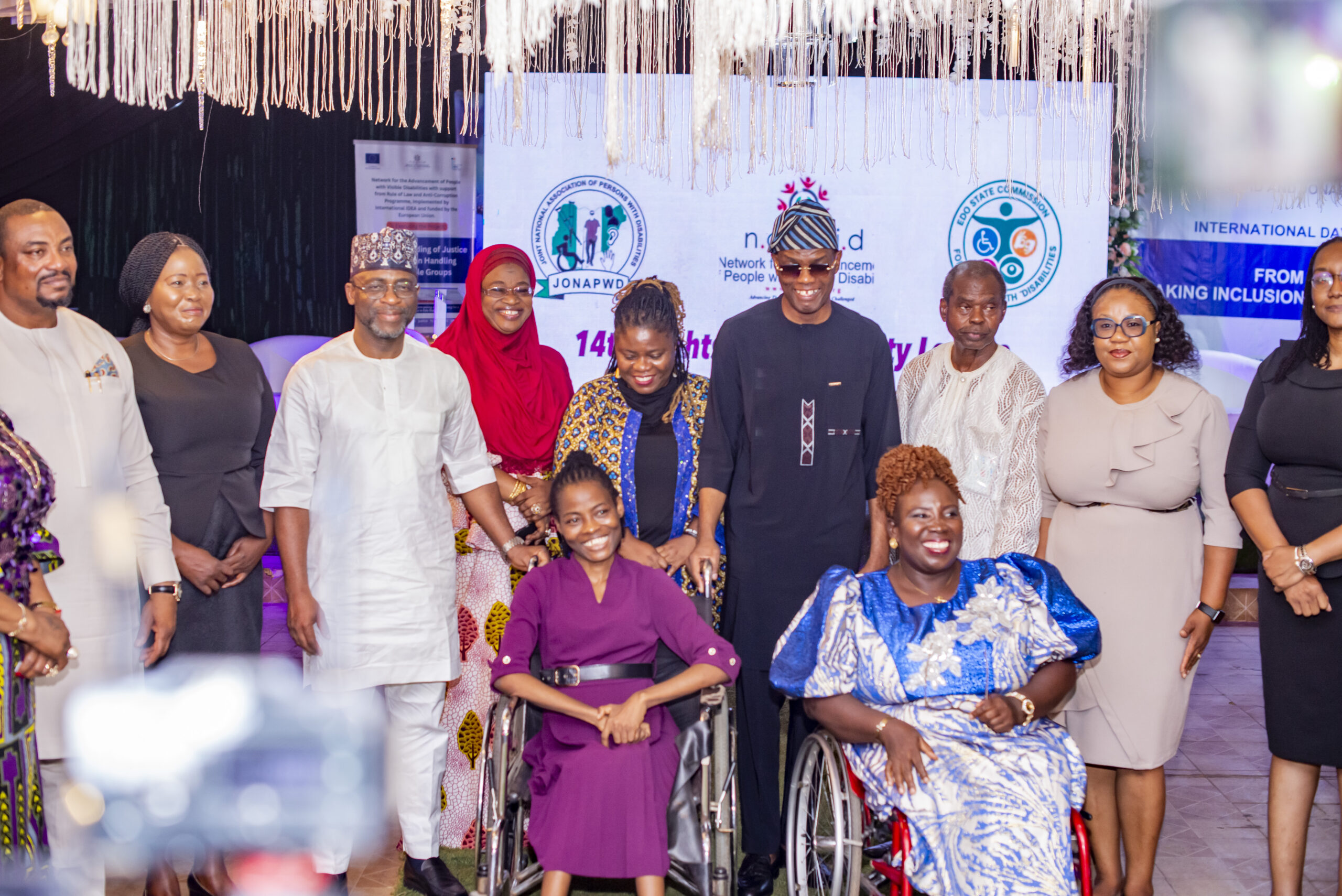
Sustained stakeholder engagement: The organisation’s annual Rights Above Charity Lecture brings together government representatives, organisations of persons with disabilities (OPDs), civil society groups and other stakeholders to discuss issues affecting persons with disabilities. NAPVID noted that advocacy through such engagements contributed to the establishment of the Edo State Commission for Persons with Disabilities, which was inaugurated in March 2025.
These experiences demonstrate NAPVID’s engagement with policy processes, public institutions, community stakeholders and the media to advance disability inclusion and accountability.
Why Disability Inclusion Matters to the AMANI Consortium
The relevance of NAPVID’s work to AMANI lies in the need to ensure that gender justice programmes respond to the experiences and barriers faced by women and girls with disabilities.
Women and girls with disabilities may encounter additional barriers when seeking sexual and reproductive health information, reporting gender-based violence, accessing survivor support or navigating justice and protection systems. Addressing these barriers requires services and advocacy approaches that account for disability-related accessibility needs and promote meaningful participation.
NAPVID’s experience working with institutions and service providers, including the Vivian Sexual Assault Referral Centre (Vivian SARC), the National Agency for the Prohibition of Trafficking in Persons (NAPTIP) and the Edo State Commission for Persons with Disabilities, provides a relevant foundation for this work.
Its engagement with these institutions has included attention to disability inclusion in survivor support and service delivery. This experience aligns with AMANI’s broader gender justice and disability-inclusion agenda and creates opportunities to strengthen collaboration between disability-rights advocates, gender justice organisations and service providers.
By participating in the consortium, NAPVID can contribute its knowledge of disability inclusion and policy advocacy to wider coalition-building efforts while supporting more accessible and responsive gender justice systems.
Looking Ahead: Strengthening Partnerships for Inclusive Gender Justice
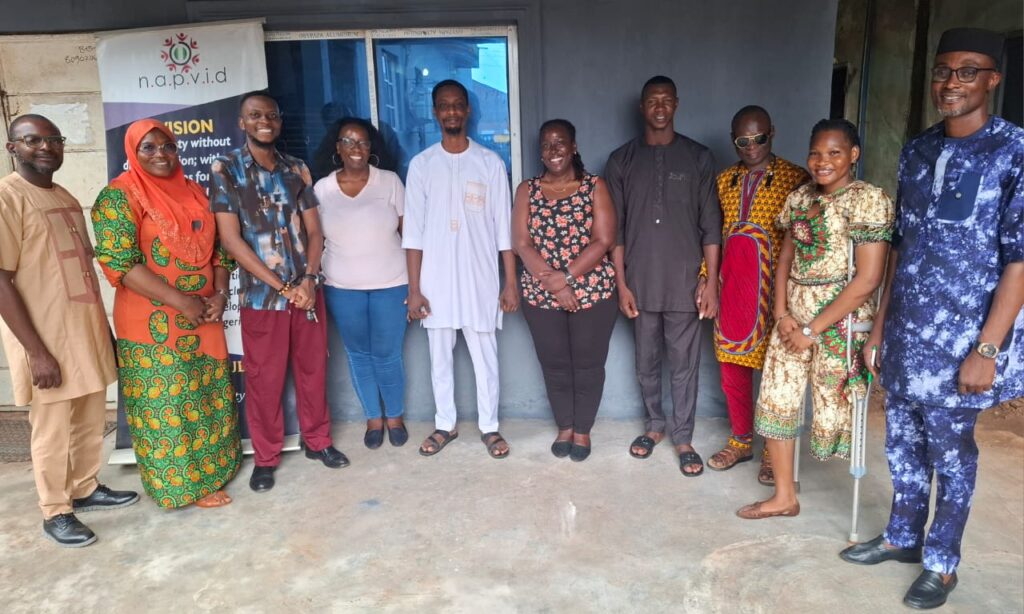
The engagement with Sonke Gender Justice marks an important stage in NAPVID’s efforts to contribute to locally led gender justice initiatives. It reinforces the importance of combining thematic expertise and community-level experience with strong organisational systems, accountable governance and effective programme management.
NAPVID welcomes the opportunity to participate in the AMANI Consortium and looks forward to working with IGE-SRH, Sonke Gender Justice and other partners to advance disability-inclusive gender justice.
As the next steps unfold, the organisation remains committed to ensuring that persons with disabilities are meaningfully included in conversations, policies, services and advocacy efforts that affect their rights and wellbeing.
Disability inclusion must be integral to gender justice. Through collaboration, organisational strengthening and sustained advocacy, NAPVID will continue working towards a society where persons with disabilities can exercise their rights, access essential services and participate meaningfully in governance and development.
Join the conversation: Follow NAPVID’s work and share this article to support greater awareness of disability-inclusive gender justice and the importance of ensuring that persons with disabilities are not left behind.
Recent Posts
-
 NAPVID Joins AMANI Consortium to Advance Disability-Inclusive Gender Justice
 -
 PRESS RELEASE – NAPVID COMMENDS GOVERNOR MONDAY OKPEBHOLO FOR HISTORIC APPOINTMENT OF MR. MELODY OMOSAH AS PERMANENT SECRETARY
 -
 HISTORIC MILESTONE: EDO STATE UNVEILS SIMPLIFIED DISABILITY LAW.
 -
 HITCHES AND VOICES : BEYOND THE DISABILITY; CONFRONTING SGBV
 -
 From Establishment to Effectiveness: Edo State Pushes Disability Inclusion Forward at the 14th Rights Above Charity Lecture